Let It Smoke: The Case for November Cider and a Properly Scruffy Orchard Bonfire
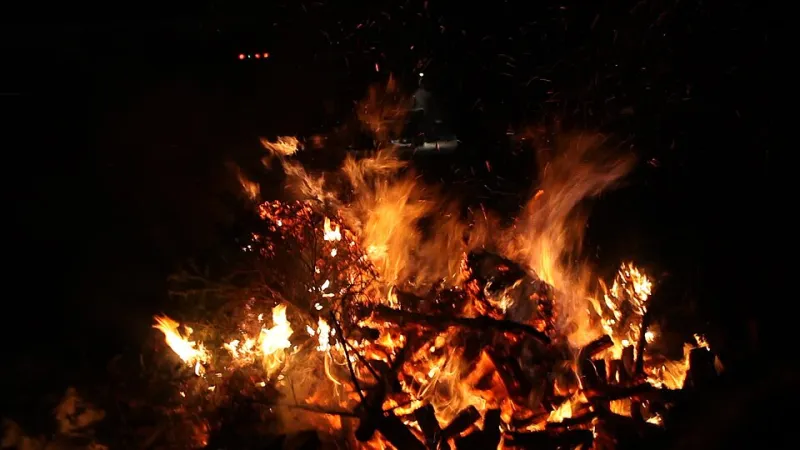
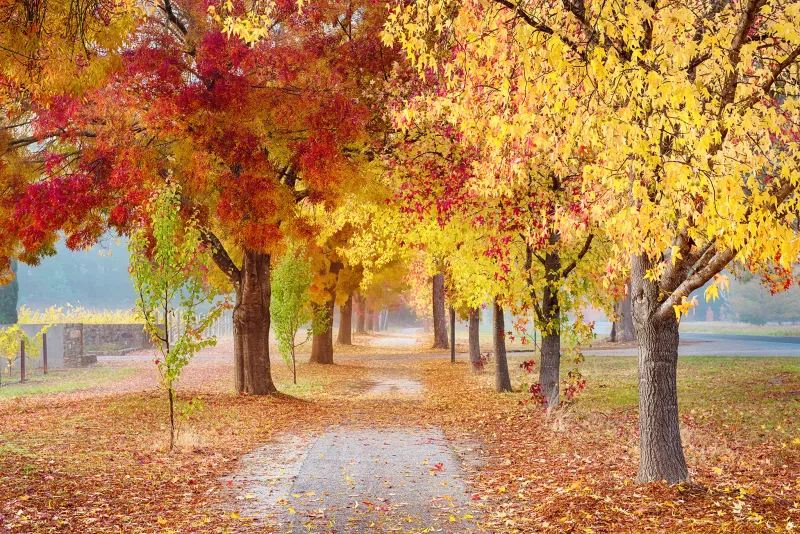
Photo: Paul VanDerWerf from Brunswick, Maine, USA, CC BY 2.0, via Wikimedia Commons
October is the month British cider clears its throat and announces itself. There are apple days, harvest suppers, a marquee somewhere in Somerset with a man in an apron explaining keeving. Everyone photographs a press. Everyone says 'ooh, provenance'.
And then November arrives, the crowds go home, and the cider gets good.
I appreciate this is a minority position. November is supposed to be the gap between the fun and the tinsel, the month of grey pavements and dark at half four. But the cider calendar does not agree with the marketing calendar. The fruit is in, the fermentation is ticking, the orchard is being put to bed, and the pubs that keep a proper bag-in-box on the go are suddenly the warmest rooms in Britain.
October is for shouting; November is for listening
A festival cider is often a young cider: bright, fizzy, fruit-forward, easy to like and easy to forget. They are delicious, in the way that a first cold glass of anything after a long walk is delicious.
A November cider is a cider with a bit of weather in it. The barrels have had a few more weeks to settle. The tannin is showing. Kept ciders — those naturally sweet, slow-fermenting West Country wonders — have had time to find their feet. You get smoke, leather, dried apple, a whisper of barnyard from the wild yeasts. Not for everyone, and not meant to be.
There is also the matter of context. October cider is drunk standing up in a field. November cider is drunk sitting down by a fire, in gloves, with the specific happiness of someone who is not currently cold.
The orchard's second act
November is when orchard work becomes an act of tidying. Leaves drop, pruning starts, the brash piles up, and eventually somebody judges the pile dry enough and sets light to it.
The orchard bonfire is not a decorative tradition. It is a hygiene operation with a social life. Burn the prunings and you cut down on canker and overwintering pests; spread the ash and you return a bit of potash to the ground. The old wassailing customs of January grew out of exactly this season of tending, noise and community — the fire just happens earlier.
Which is why the smell of a November orchard is smoke and wet grass and something faintly alcoholic drifting from a shed. It is a deeply unglamorous smell that no brand has managed to bottle, and I would argue it is the true scent of British cider.
Mulled cider beats mulled wine, and it is not close
Mulled wine is a marketing triumph. It is also, too often, a hot Ribena with ambitions and a cinnamon stick bobbing about like a buoy.
Cider is a better base. Its natural acidity stops the whole thing turning syrupy, its apple fruit does the heavy lifting that wine needs sugar and spice to fake, and it plays genuinely well with warm spice rather than fighting it. It is also, quietly, more British — which is not a reason on its own, but is a rather nice bonus on bonfire night.
A working method, not a recipe:
- One litre of dry or medium cider. Something with tannin, not a sweet fizzy confection.
- A strip of orange peel, a cinnamon stick, two cloves, maybe a star anise. That is the whole spice rack. Stop there.
- A teaspoon of honey only if the cider is aggressively dry.
- Warm gently to around 60–65°C. Never boil it, unless your ambition is to steam off the alcohol and the point.
A splosh of something tannic and serious — a Kingston Black, say — will buck up a dull base cider no end. Serve it in a mug that can be held with both hands and do not garnish it with a floating apple slice, which is a crime in several parishes.
Bottles worth carrying to a bonfire
Herefordshire and Somerset do the heavy lifting, but the map is wider than that now.
- Burrow Hill — the Somerset benchmark; their Kingston Black is the grown-up's bonfire bottle.
- Dunkertons — organic Herefordshire ciders with real grip and a lovely smoky edge in the darker blends.
- Oliver's — fine, dry, cider-apple led; the sort of bottle that starts an argument in a good way.
- Once Upon a Tree — keeved and beautifully balanced, with the natural sweetness that makes mulling redundant but enjoyable anyway.
- Aspall — the Suffolk anchor; reliably dry and widely available, which matters on a Tuesday.
- Sheppy's — Somerset heritage, excellent vintage bottlings for a long evening.
- Westons Old Rosie — for the brave, the reckless and anyone who has arranged a lift home.
- Thistly Cross — East Lothian, a proper Scottish answer to the West Country.
- Raglan Cider Mill — Monmouthshire, small-batch and worth seeking out.
Buy two bottles. One for the fire, one for when the fire has been rained off and you are indoors pretending it was the plan all along.
A manifesto for the scruffy orchard
I have a plea, and it is on behalf of the untidy orchard. The one with lichen on the boughs, a bit of standing dead wood, a hedge that has not been flailed since the last century and a log pile that a hedgehog has already claimed.
Scruff is habitat. Hollowed branches, leaf litter, unmown headlands — this is where the wildlife lives that eats the pests that would otherwise eat the apples. A ruthlessly tidy orchard is a tidy orchard with fewer birds in it.
The bonfire is the acceptable face of decay: controlled, communal, useful. You tidy, you burn, you make ash, you feed next year's blossom, and you stand around in the dark with a mug of something warm feeling briefly like a person who belongs to a place. That is not a small thing in November.
The last word
So here is the nudge. Buy a bottle of proper cider this week, not next month. Build the fire, or borrow a neighbour's, or settle for a chiminea and a decent coat. Invite the people who complained about the smoke last year and hand them a mug of the warm stuff. November is not the gap between two better months. It is the month the orchard finally gets to sit down, and it deserves a drink.