Oak, Orchard and a Slow Burn: The Case for English Cider Brandy This Winter
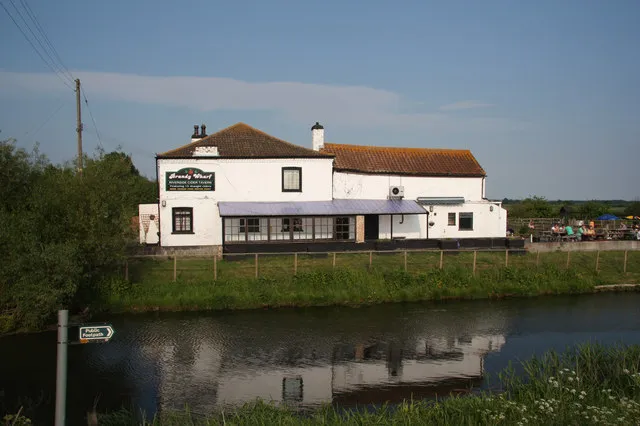
Photo: Richard Croft , CC BY-SA 2.0, via Wikimedia Commons
There is a moment, somewhere between the last of the bonfire smoke and the first mince pie, when a winter drinks shelf needs a quiet promotion. The sloe gin has done its shift. The whisky is perfectly happy. And the bottle of cider brandy, dusty and slightly mysterious, is still waiting for someone to stop treating it like a mantelpiece ornament and pour it a proper job.
English cider brandy deserves better than that. It is an orchard spirit with a West Country accent, a copper-still past and enough oak about it to make a winter evening feel deliberately slower. It is not Calvados, and it need not pretend to be. But put a glass of well-made Somerset cider brandy beside a Normandy pour and you have a genuinely interesting conversation on your hands — preferably with a wedge of cheese nearby.
What exactly is cider brandy?
The short answer: cider, distilled and aged. The longer answer involves apples, fermentation, copper, patience and a certain amount of standing around in a cool barn wondering whether it is ready yet.
Cider brandy is made from fermented apple cider that is then distilled, usually in copper pot stills, and matured in oak. That oak is not a decorative detail. It softens the spirit, adds spice and vanilla-ish warmth, and lets the orchard fruit settle into something rounder and more grown-up. Young spirit can be sharp and spirity; time in cask gives it a broad shoulder and a longer finish.
Think of it as the third glass in a very British trilogy: cider for the afternoon, apple juice for the designated driver, cider brandy for the bit after dinner when the conversation turns pleasant and slightly unnecessary. It is not a liqueur, so do not expect syrup. It is not a neutral spirit with apple flavouring, either. The apple should be present — cooked, dried, sometimes a little leathery or floral — but it should not shout over the oak.
The PGI: a passport for orchard spirit
One of the reasons cider brandy can feel like a well-kept secret is that it has never been a supermarket-shelf show-off. Another is that the genuinely traditional version has a geographical indication behind it. Somerset Cider Brandy holds Protected Geographical Indication status, which is the drinks world's way of saying: this is not a random spirit wearing an apple on its label.
In practice, the PGI ties the spirit to Somerset, to cider made from apples grown there, and to a method that includes distillation and oak maturation. It is a useful signal for shoppers because it narrows the field. If you are buying a bottle and the label mentions Somerset Cider Brandy PGI, you are looking at a protected local tradition rather than a flavoured spirit that happened to pass an orchard on the motorway.
That matters for the same reason it matters with West Country cider, Kentish wine or a Cornish pasty: place is part of the flavour. It also gives the British drinks shelf a native answer to Calvados that is not a pale imitation but a different dialect of the same apple-language.
How it is made, without turning into a chemistry lesson
Production starts with cider — proper cider, fermented from apples, not a sweet fizzy stand-in. That cider is distilled, which concentrates the alcohol and captures the aromatic character of the fruit. The distiller's job is to keep the good bits and leave behind the rough edges. A good cut means you get apple skin, blossom, dried fruit and a little spice rather than nail-varnish notes and regret.
The spirit then goes into oak. Time varies, but the aim is integration: the raw heat softens, the fruit deepens, and the wood lends structure without turning the whole thing into a plank. Some producers use ex-cider or ex-brandy casks; others favour a mix. The result can range from bright and apple-forward to darker, nuttier and more savoury, depending on the barrels and the blender's intent.
This is also why cider brandy is not simply 'apple whisky'. The raw material is different, the fermentation is different, and the aromatic target is different. Whisky wants grain and cask. Calvados wants Normandy orchards. English cider brandy wants to taste like a Somerset orchard after the leaves have come down — earthy, fruity, a bit austere in the best way.
What to look for in a bottle
First, check the label for the PGI if you want the protected Somerset version. Beyond that, look for age statements and cask information where available. Younger bottlings tend to be brighter and more apple-led; older ones can show dried fruit, cinnamon, walnut and a drier, more savoury finish. Neither is automatically better — it depends whether you want a lively aperitif or a slow after-dinner glass.
Do not be frightened by the word 'dry'. Cider brandy is not cider, and it is rarely sugary. A little sweetness can come from the cask and the fruit, but the overall impression should be warming and relatively clean, not sticky. If the label is all novelty and no detail, proceed with caution. If it tells you the orchard, the still and the cask, that is usually a good sign that the liquid has nothing to hide.
A sensible bottle for a first purchase is a straightforward, well-made Somerset cider brandy at around 40–42% ABV. Serve it slightly cooler than room temperature if your room is aggressively heated, but not fridge-cold. You want the aroma to open, not retreat into the carpet.
How to serve it on a dark November evening
Neat is the simplest and often the best place to start. Use a small tumbler or a copita-style glass, pour a modest measure and give it a minute. A splash of water can help if the spirit feels tight, but add it sparingly — this is not a competition to see how much water you can get away with before someone notices.
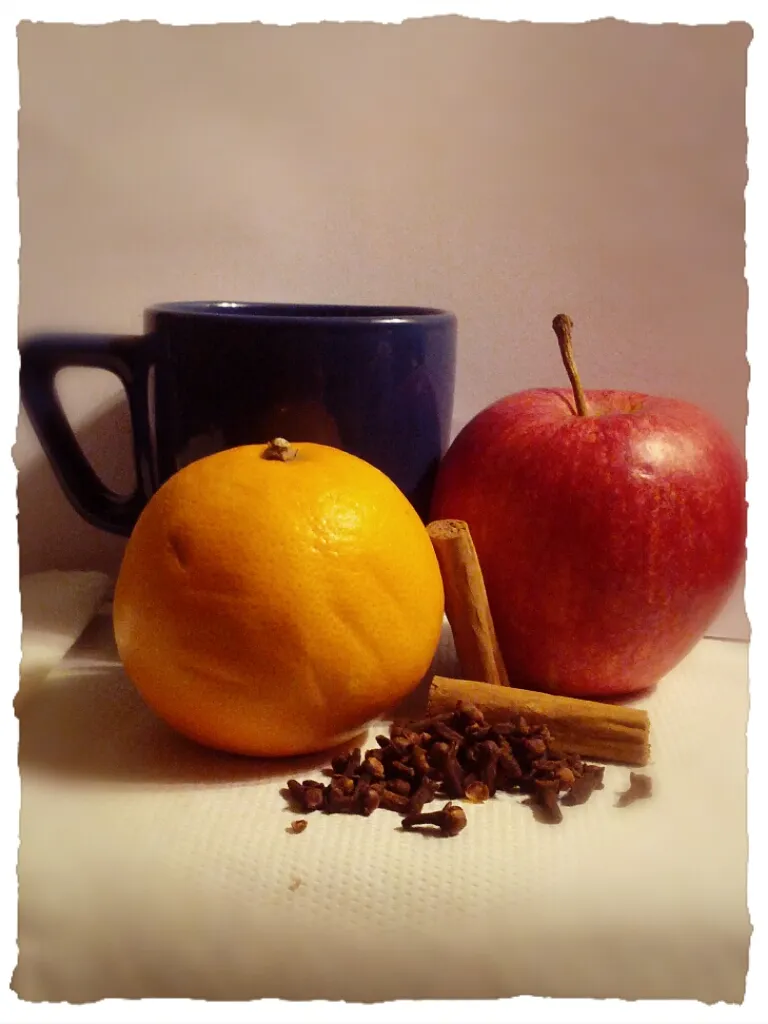
For a longer drink, try cider brandy with a good tonic or soda, a strip of orange peel and plenty of ice. It makes a surprisingly grown-up alternative to a gin and tonic when the central heating is on and nobody wants another cup of tea. For a warmer option, stir a spoonful into hot apple juice with a cinnamon stick and a little lemon; think of it as a hot cider with a tailored jacket.
At the table, cider brandy is a natural with cheese — especially a sharp Cheddar, a blue or something nutty and hard. It also gets on well with apple cake, dark chocolate and the sort of fruitcake that has been improving in a tin since October. And if you are the sort of person who likes a third glass after dinner, this is exactly the spirit for it: small, slow and orchard-scented, with no need to shout.
The quiet revival worth joining
English cider brandy has never really gone away; it has simply been overlooked by people reaching for the same old bottles. That is starting to change as British drinkers get more curious about native spirits and the orchards behind them. You do not need to declare Calvados obsolete or build a shrine to Somerset. You just need to give the third glass a chance.
So next time the November evening closes in, leave the sloe gin to its rest and reach for the cider brandy. Add a little oak, a little orchard and a little patience. It is not a novelty. It is not a museum piece. It is a proper British winter drink — and it has been waiting long enough.