Warm, Not Wrecked: How to Heat Cider Without Turning It Into Potpourri
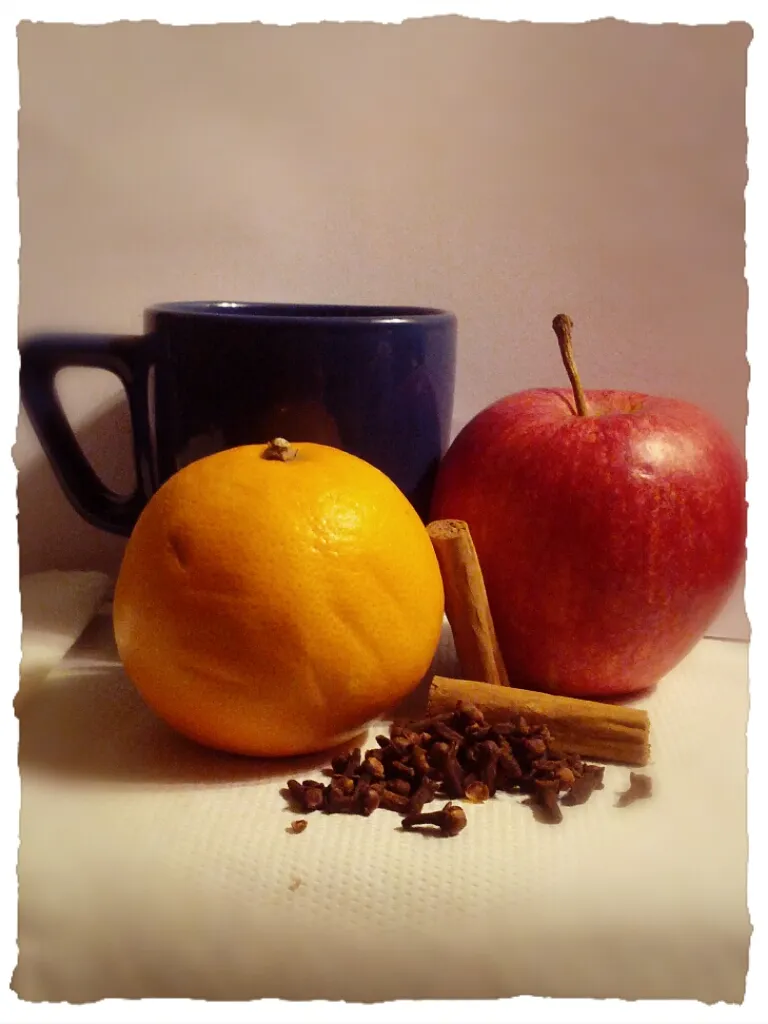
Photo: Car90, CC BY-SA 3.0, via Wikimedia Commons
Hot cider has an image problem. In far too many pubs it arrives as a mug of sweet syrup that has been carpet-bombed with cloves and left to simmer until the apple gives up and leaves the building. That is not hot cider. That is potpourri with a licensing agreement.
The good news is that Britain is making more dry, tannic, orchard-driven cider than it has for years, and those bottles positively bloom when warmed gently. The trick is not to drown them in spice or boil them into submission. Heat should be a coat, not a disguise.
First, decide whether your cider deserves heat
Not every bottle wants to be hot. Dry, medium-dry, tannic and high-acid ciders are naturals: warmth opens up their apple skin, leather and citrus notes, and makes the tannin feel rounder rather than rasping. Traditional perry works beautifully too, especially if it has a bit of pear-skin grip and a clean, slightly wild edge.
What should stay on the shelf? Anything already syrupy, heavily flavoured or dressed up as a dessert in a bottle. Heat amplifies sweetness and alcohol, so a cider that tastes like toffee apples cold will taste like cough medicine hot. The same goes for delicate sparkling ciders made in a fine, champagne-like style: warming them flattens the bubbles and muddles the perfume. If you would not happily drink it at room temperature, do not ask it to perform in a saucepan.
The golden rule: warm, don't boil
This is the whole game. Alcohol boils at around 78C and water at 100C, but long before that you are driving off the aromas you paid for. Aim for 60-70C: hot enough to steam gently and feel comforting in the hand, nowhere near a simmer. Use a thermometer if you are the sort of person who owns one, or heat in short bursts and test with a fingertip that has been duly warned.
A saucepan over the lowest possible heat is ideal. A microwave works in 30-second blasts, stirring between each, if you are careful. A slow cooker on low is fine for a party, but keep the lid off so you do not trap a stewed flavour. Never let the liquid bubble. Once it boils, the orchard has left the room and you are just drinking hot sugar water with ambitions.
Spicing without the clove carpet-bomb
Clove is a bully. One clove can dominate 500ml of cider within seconds, and two will make the whole mug taste like a dentist's waiting room. Use one at most, or leave it out entirely. Better friends to cider are cinnamon sticks, star anise, fresh ginger, black peppercorns, bay leaves, rosemary, orange peel and a little lemon zest. Toast whole spices briefly in the dry pan first, then add the cider and warm gently. Take the pan off the heat and let the spices steep for five to ten minutes, tasting as you go. Strain before serving.
Acid is your ally. A squeeze of lemon or a splash of sharp apple juice keeps a warm mug from turning flabby. Honey can be lovely, but add it sparingly and taste first. The aim is a warm drink in which the orchard is still audible, not a spice rack with a cider problem.
Three serves worth the saucepan
The Dry Herefordshire Mug
Pour 500ml of dry or medium-dry Herefordshire cider into a small pan. Add a strip of orange peel, a sprig of rosemary and three lightly crushed black peppercorns. Warm gently to about 65C, then take off the heat and steep for five minutes. Strain into a warmed mug. If you want a touch of sweetness, stir in half a teaspoon of honey while it is still hot. The result should be tannic, savoury and gently aromatic: brilliant with a hunk of mature cheddar and a dark November evening.
The Perry Hot Toddy
Warm 250ml of traditional perry gently with a thin slice of ginger and a strip of lemon peel. Do not boil it. In a warmed mug, stir together a teaspoon of honey and 25ml of whisky or pear eau-de-vie, then pour in the warm perry and stir again. The pear should stay fresh and floral, with the spirit adding backbone rather than fire. This is the drink for a cold that is threatening to arrive and a Friday that has already done so.
The Spiced Buttered Cider
Brown 20g of unsalted butter in a pan until it smells nutty, then add 500ml of medium-dry cider, a tablespoon of soft brown sugar, a cinnamon stick and a tiny pinch of salt. Warm to 65C, whisking so the butter emulsifies, then take off the heat and steep for five minutes. Strain into two mugs and grate over a little nutmeg. It is rich, savoury and faintly ridiculous in the best way. Do not boil it, and do not apologise for the butter.
What to leave on the shelf
Avoid anything labelled as a cider drink, a flavoured cider or a dessert cider unless you know exactly what you are doing. The added sugar and flavourings often turn harsh when heated. Very sweet keeved ciders can work if you like an off-dry mug, but warm them very gently and cut the sweetness with lemon peel. Delicate sparkling ciders are better cold. And please, for the love of orchards, do not heat a bottle that has already been open in the fridge for a week. Warm cider should not be a rescue mission.
Buyer's guide: bottles worth warming this winter
Look for dry to medium-dry ciders in the 5.5-7.5% range with real tannin and acidity. A dry Herefordshire cider with bittersweet fruit is ideal, as is a medium-dry Somerset cider with a bit of grip. Traditional perry from Gloucestershire or Herefordshire is excellent for hot toddies. If you like a sweeter mug, a keeved cider can be lovely, but treat it gently. Bag-in-box cider is fine if it is fresh and dry, though bottles are easier to control for small batches. Ask at a farm gate or a good independent bottle shop for something still, orchard-made and not too polished. The best hot cider is usually the one that tastes like apples first and spices second.
The final mug
Hot cider is not a complicated cocktail to be fussed over with tweezers and a blowtorch. It is a way of making a damp British evening feel less like a wet sock. Warm the bottle, respect the fruit, go easy on the cloves and serve it in a mug that holds a decent measure. Winter 2026 has enough problems without another pan of boiled potpourri.