The Orchard or the Artwork: How to Tell a Real Cider From a Pretty Bottle
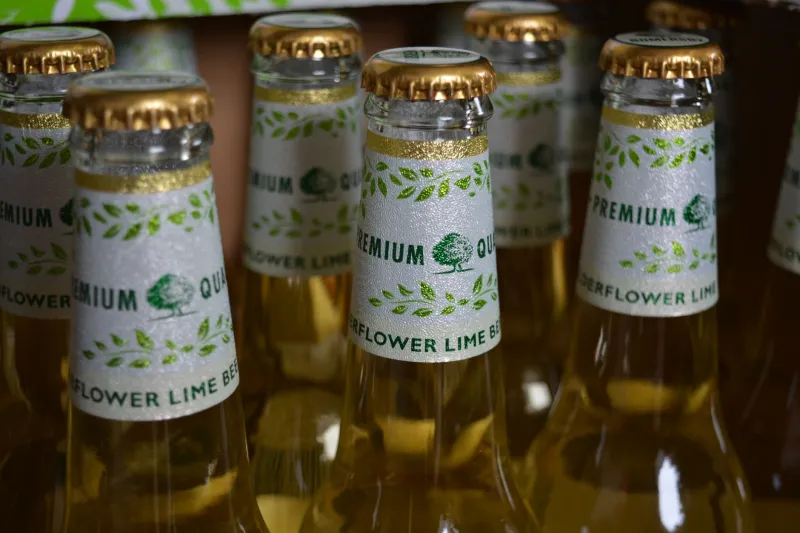
There is a special kind of cider bottle that seems designed to be photographed rather than drunk. It has a woodcut apple, a curly font, a faded illustration of a farmhouse, and a back label that says something like ‘a taste of the good life’. What it does not say is what is in the bottle. As of November 2026, that is still a remarkably common trick, and it is one worth learning to spot.
This is not about being sniffy. A label is a contract of sorts, or at least it should be. If you are paying craft prices, you deserve to know whether you are buying fermented orchard fruit or apple-flavoured alcohol with a nice drawing of a tree. Here is how to read the bottle between the lines.
First, accept that the front label is a mood board
‘Craft’, ‘traditional’, ‘orchard-fresh’ and ‘proper cider’ are not protected terms in the way that, say, ‘organic’ is. They can mean something sincere, or they can mean the marketing department has been let loose with a thesaurus and a watercolour set. The useful information tends to hide on the back: juice content, apple varieties, the producer, the orchard, fermentation method, sweetness level and whether anything else has been added.
If the back label is a masterpiece of vagueness, that is information too. A producer who is proud of their fruit usually wants to tell you about it. A producer who is proud of their illustration may not.
Bittersweet is a clue about tannin, not a promise of sugar
In cider apple language, ‘bittersweet’ describes the fruit, not the finished drink. Bittersweet apples are high in tannin and low in acidity. They give structure, grip, a drying finish and that lovely dusty-apple peel quality. ‘Bittersharp’ apples bring tannin and acid; ‘sharp’ apples bring acidity; ‘sweet’ apples bring sugar and not much else.
So if a bottle says ‘bittersweet’, expect texture and perhaps a dry finish. It does not mean the cider will taste like toffee. If the same bottle also says ‘medium sweet’, then you are dealing with residual sugar as well. Both can be true, but they are different pieces of the puzzle.
Dry, medium and sweet: look for the number
‘Dry’ is one of the most abused words on a cider label. To one producer it means bone dry and palate-scraping. To another it means ‘not quite as sweet as the other one’. ‘Medium’ can cover a huge range, and ‘medium sweet’ can sometimes be closer to a dessert wine than a pint.
If you like dry cider, look for a residual sugar figure in grams per litre, or wording like ‘bone dry’ and ‘no residual sugar’. If you like something softer, ‘medium’ is fine, but do not assume it means gently off-dry. If there is no sweetness information at all, buy the smallest bottle you can find before committing to a four-pack.
Single orchard, single variety and the romance of the postcode
‘Single orchard’ means the fruit comes from one orchard. It does not necessarily mean one apple variety. ‘Single variety’ means one apple variety, which is genuinely useful if you already know you adore Dabinett, Yarlington Mill or Kingston Black. If you do not know, it is still a helpful clue: single-variety ciders tend to show a clearer personality, for better and sometimes for worse.
A year on the label is worth a squint. It might be the harvest year, the bottling year, or simply the year the designer updated the logo. If the label does not explain, ask. A good producer will not mind. A bad one will look at you as if you have asked them to explain the offside rule.
Keeved: the sweet cider that did not need a sugar bag
‘Keeved’ is one of the most interesting words you will find on a British cider label. Keeving is a traditional method that encourages a natural stoppage of fermentation by depriving the yeast of nutrients, leaving sweetness in the cider without simply dumping in sugar afterwards. Done well, it can give a soft, apple-skin sweetness with a bit of grip and a lower alcohol level.
It is not a guarantee of quality. It is a guarantee of a particular method, or at least a claim to one. If you see ‘keeved’ on a bottle that tastes like syrup with a faint memory of apple, be suspicious. If you see it on a bottle that tastes like a baked apple with a tannic edge, you have probably found the good stuff.
Wild fermented: a fingerprint, not a medal
‘Wild fermented’ means the cider was fermented with ambient yeast rather than a commercial culture. That can bring complexity: spice, leather, farmyard, dried fruit, a sort of appealingly untidy orchard character. It can also bring nail varnish and regret. Wild fermentation is not automatically better; it is simply less predictable.
If you love funk, look for ‘wild fermented’, ‘ambient yeast’ or ‘unfiltered’. If you do not, do not pay extra for a word that sounds romantic. ‘Unfiltered’ often means hazy and lively, which is lovely, but it is not a flavour instruction.
The words that should make you squint
‘Apple cider flavour’ is not cider. ‘Fruit cider’ is often a different drink altogether: apple wine or fermented base, juice, sugar and flavourings, sometimes at a strength that encourages poor decisions. ‘No added sugar’ can still be sweet if the juice is sweet or the producer has used a sweetener. ‘Gluten free’ is technically true of most cider, so it is not the flex the label thinks it is.
Above all, look at the ingredients. If the list mentions water, apple juice concentrate, glucose syrup and ‘flavourings’, you are not buying orchard character. You are buying a pleasant enough alcopop with a picture of a tree. That is allowed. It is just not the same thing as cider made from pressed apples.
A five-second shelf check
Ask yourself: is the ABV clear? Is the sweetness level useful? Are any apple varieties named? Is the producer or orchard named? Does the back label mention fermentation or juice content? Does it read like a description of a drink, or a description of a lifestyle?
A good label does not need to be a dissertation. It just needs to give you enough to make a choice. The orchard is in the glass, not the artwork. Buy accordingly, and save your romantic feelings for the cider that deserves them.