Trust, Cash and a Muddy Boot: Britain's Farm-Gate Apple Stalls Worth a Detour
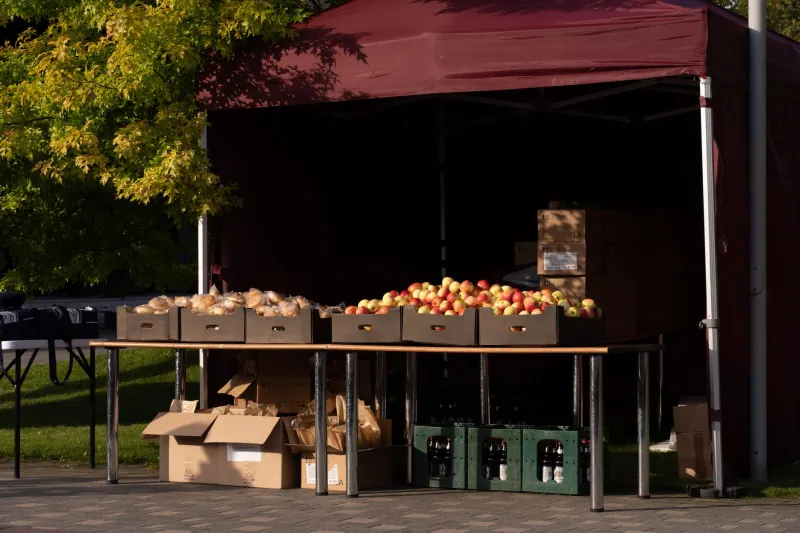
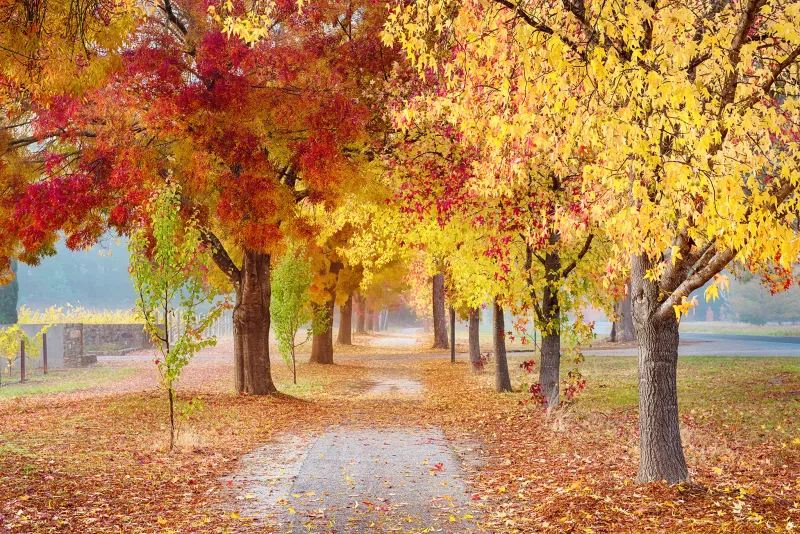
Late autumn is the honest season. The tourists have gone home, the leaves are making a bid for the gutter, and the apple crop has stopped being a photo opportunity and started being a job. This is when Britain's farm gates come into their own: a table, a few crates, a tin for coins and a level of trust that would make a supermarket loss-prevention officer weep into his meal deal.
Scrumpi is not here to romanticise mud. Well, not only. The farm-gate stall is one of the last bits of British food retail that runs on eye contact and correct change. It is also where you find the apples that never made it to the plastic punnet: russets with a bit of character, Bramleys the size of a small dog, cider apples that taste like a hedge in the best possible way.
Why the farm gate beats the fruit aisle
Supermarket apples are chosen for uniformity, shelf life and the ability to survive a lorry ride without bruising. Farm-gate apples are chosen because someone grew them and wants them gone before the frost. That means flavour, odd shapes and the occasional wasp. It also means you can buy a bag of seconds for the price of a coffee and turn them into something heroic: apple butter, chutney, a crumble that makes Sunday feel like a political victory.
Late autumn is also cider season. The sheds are full, the presses are noisy and the people behind the counter have usually been up since dawn. You are not interrupting a lifestyle brand. You are interrupting a working orchard, which is why a little etiquette goes a long way.
The unwritten rules of the honesty box
First, bring cash. Notes are fine, coins are better, and exact change is the love language of the farm gate. Second, do not haggle. The price is on the sign and the sign was written by someone who has already picked the apples. Third, close the gate. This is not a suggestion. There may be livestock, there may be a dog, there may be a muddy puddle with ambitions.
Fourth, take a bag or box. A flimsy carrier bag is a betrayal of both the apples and your car boot. Fifth, pay for what you take, including the one you ate while deciding. Sixth, do not photograph the farmer's kitchen window. Seventh, if the sign says closed, it is closed. Honesty boxes are not vending machines with scenery.
The Scrumpi hit list: seven stops for a late-autumn scramble
This is not a directory and it is not a promise that every gate will be open on a wet Tuesday. Ring ahead, check social media, and treat any detour as a small adventure rather than a consumer right. But these are the sorts of places worth building a day around.
1. Herefordshire and the Welsh borders
Start with the cider sheds. Westons at Much Marcle is the obvious anchor, and the shop is the sort of place where you go in for one bottle and come out with a bag of apples, a wedge of cheese and a renewed interest in perry. Then follow the smaller signs. The border lanes are full of farm gates selling Dabinett and Michelin cider apples by the bag, plus juice that tastes like someone has squeezed a November orchard directly into a bottle. Check before you go, because harvest chaos is real.
2. Somerset
Somerset is Britain's cider heartland and it knows it. Burrow Hill near Kingsbury Episcopi is a proper pilgrimage, and Sheppy's near Taunton is a good family-friendly stop with more than a passing interest in apples. But the real joy is the unmarked stall: a shed, a fridge, an honesty tin and a handwritten sign listing varieties you have never heard of. Buy the cloudy juice. Buy the cider. Buy a bag of Cox's for the car. This is not a drill.
3. Kent
Kent is the garden of England, which is a lot of pressure for one county. Brogdale Farm, home of the National Fruit Collection, is the apple nerd's cathedral, and the farm shop is a good place to stock up on varieties that make supermarket shelves look like a beige apology. Around the lanes, late-autumn stalls often sell Bramleys, Egremont Russets and keeping apples by the box. Bring a boot with space.
4. Suffolk
Suffolk gives you Aspall and a sense of quiet order, but the farm-gate scene is often smaller and stranger. Look for roadside tables selling apples, juice and chutney with a tin for coins and a sign that says thank you. The cider sheds here are less showy than Somerset's, but the juice is often excellent and the conversation is free. If you see a box of russets with slightly wrinkly skin, buy them. They are not past it. They are flavour.
5. Devon and Cornwall
This is proper lane country: high hedges, passing places and the distinct feeling that your satnav is lying. Farm-gate stalls here often sell cider, apple juice and whatever else is in season. Hecks in Street is a good Somerset-adjacent stop, but the best discoveries are the ones with a hand-painted sign and a fridge humming in a shed. Buy a bottle of dry cider, a bag of apples and something made of quince if you are lucky.
6. Yorkshire and the north
Northern orchard culture is smaller but no less serious. Look for community orchards, farm shops with a local apple table and cider makers who are happy to explain why their blend tastes of leather and sunshine. Late autumn is short here, so the stalls can be brief. That is part of the charm. If a sign says apples ready, do not drive past and assume you will come back next week.
7. The wildcard: any unmarked lane
The best stall is the one you cannot plan for: a table at the end of a track, a box of apples, a tin and a note saying please pay. This is the honesty box in its purest form. Treat it with respect, take only what you need, and leave the place better than you found it. Also leave the gate as you found it, unless the sign says otherwise, in which case read the sign twice.
What to buy in late November
Look for keeping apples: Cox's Orange Pippin, Egremont Russet, Bramley, Ashmead's Kernel and any local variety with a name that sounds like a pub. Cider apples are also in season, and a bag of Dabinett or Kingston Black will make a stew, a sauce or a very good braise taste like it has been thinking about autumn. Buy juice if you do not want to press your own. Buy seconds if you are going to cook. Buy one perfect apple to eat in the car with the engine off and the rain coming down.
Build a day out around it
Do not make the mistake of treating a farm-gate stall as a destination in itself. It is a stop on a loop. Pick a region, find two or three stalls, add a pub lunch and a walk that does not require a rescue team. Wear boots. Bring cash. Keep a cool bag in the boot. And do not leave the cider shed until you have asked which bottle the people behind the counter actually drink at home.
The final scrump
The honesty box is a small act of faith. Someone leaves apples by a road and trusts you to pay. You leave with a bag of fruit and a slightly better view of Britain. The season is closing, the crates are thinning and the tin is waiting. Go before it is all gone, and remember: correct change, shut the gate, and never haggle with a person who has been up since dawn.