The Blue Raspberry Problem: Why Cider's Future Is in the Orchard, Not the Flavour Lab
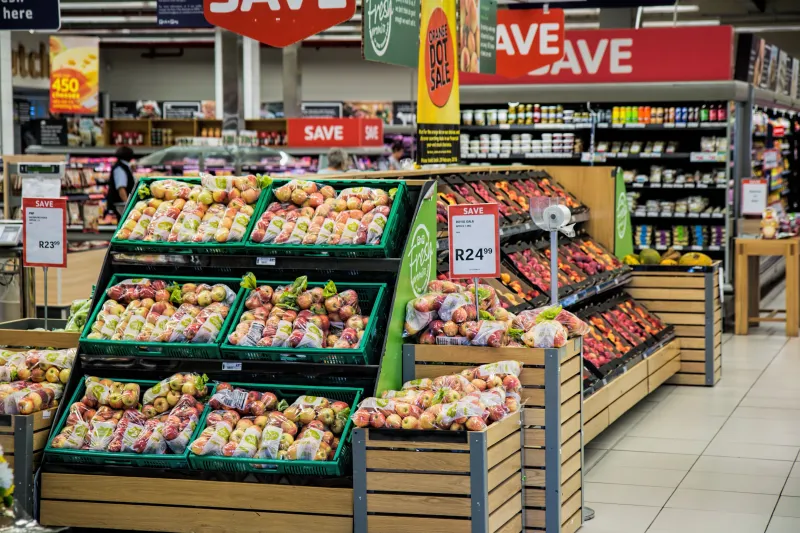
Photo: supermarket cider shelf colourful cans bottles UK, via images.pexels.com
Walk into a supermarket cider aisle in 2026 and you could be forgiven for thinking you have wandered into a pick-and-mix. Berry. Tropical. Rhubarb and custard. Something called 'cider-inspired' that has the audacity to sit next to the real thing like a tribute act with a better haircut. Meanwhile, the actual orchard cider — the stuff made from apples, in Britain, by people who can identify a tree — is often tucked away on a bottom shelf or hidden behind a promotional tower of neon cans.
This is not a rant against flavour. It is a rant against confusion.
The aisle has become a sweet shop
Flavoured cider is not new. It has been with us for years, and some of it is perfectly pleasant in the way that a fizzy sweet is pleasant. The problem is proportion. In many shops, the flavoured and 'cider-inspired' products take up more space than the traditional stuff. They are louder, cheaper to make and easier to sell by the bucket. They also teach drinkers that cider is supposed to taste like a fruit salad that has fallen into a bottle of alcopop.
That is a problem for everyone. New drinkers try a berry cider, decide they like cider, and then buy a dry Herefordshire bottle expecting the same thing. They get tannin, acidity and a lesson in humility. They go back to the berry stuff. The real cider loses a customer it never had a chance to win.
Why the flavour lab won
You can make a flavoured cider consistently, cheaply and at scale. You can tweak it until it tastes like a market research report. You do not have to wait for an orchard, worry about the harvest, or explain why this year's bottle is a bit different from last year's. You can put a cartoon animal on the can and sell it to people who would never buy a bottle with 'medium-dry' on the label.
Orchard cider is the opposite. It is seasonal, variable, and it asks something of you. It asks you to taste before you buy, or to trust a producer. It asks you to accept that a cider can be dry without being sour, tannic without being bitter, and sweet without being a dessert. That is a harder sell in a supermarket aisle designed for speed.
Labels that tell you nothing
The current labelling rules are not much help. 'Cider' can cover a broad range of products, and terms like 'cider-inspired' are about as informative as 'meat-flavoured'. Drinkers deserve better. A clear sweetness scale would be a start: dry, medium-dry, medium, medium-sweet, sweet. A note on apple content and whether the flavour comes from apples or a bottle of essence would help. So would a simple indication of tannin and acidity, even if it is just a few words on the back.
None of this would ruin the fun. It would give people a map. Right now, the aisle is a maze with a cartoon on every wall.
Shelf placement is not a trivial matter
Putting traditional cider next to alcopops and flavoured cans tells shoppers that it is the same kind of product. It is not. A dry, tannic West Country cider has more in common with a serious beer or a crisp white wine than with a blue raspberry concoction. Supermarkets could group orchard ciders together, give them room to breathe, and put the tasting notes where people can see them. Independents already do this. The big shops could learn something.
A ten-minute tasting exercise
If you want to see what the fuss is about, buy two bottles. One should be a flavoured cider — berry, tropical, whatever takes your fancy. The other should be a traditional medium-dry cider from a named producer, such as Henney's Medium Dry or a West Country bottle with a bit of tannin. Pour both into small glasses. Smell them. Taste them. Wait.
The flavoured one will hit you first with fruit, then sugar, then a finish that stops like a bus. The traditional one will be quieter at first. Then you will get apple peel, maybe a little spice, a grip on your gums, and a finish that keeps going. It will not be as loud. It will be more interesting. That is the whole argument in a glass.
Try it with a piece of mature cheddar. The traditional cider will cut through the fat and make the cheese taste brighter. The flavoured one will make the cheese taste like a casualty. This is not scientific, but it is persuasive.
Fewer flavours, more orchards
I am not asking for a ban on flavoured cider. I am asking for a bit of honesty and a bit of space. Put the apple first. Label clearly. Give orchard cider a shelf where it can be seen. Let drinkers taste the difference instead of guessing from the can.
Britain has an extraordinary heritage of cider apples, orchards and makers. It also has a supermarket aisle that often makes the whole thing look like a sweet shop with a licensing problem. The future of cider is not blue raspberry. It is the orchard, the apple and the bottle that tastes like somewhere.