The Nine-Apple Bucket List: British Varieties Worth Chasing Before the Season Shuts Up Shop
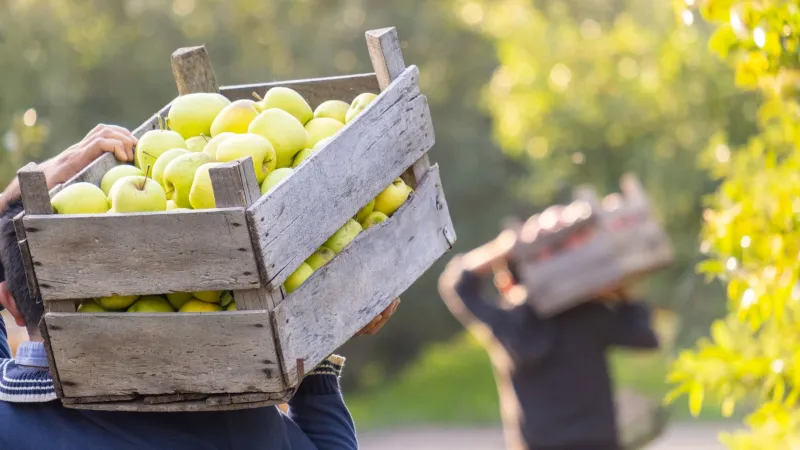
Bramley is a marvel. It is also the apple equivalent of a reliable pair of gardening trousers: useful, comforting and quietly responsible for a great many crumbles. But Britain has spent centuries breeding apples for every mood, and by 8 November 2026 the orchard season is down to its last few acts. This is not an anti-Bramley polemic. It is a bucket list with a bib.
Why the supermarket apple aisle is a cul-de-sac
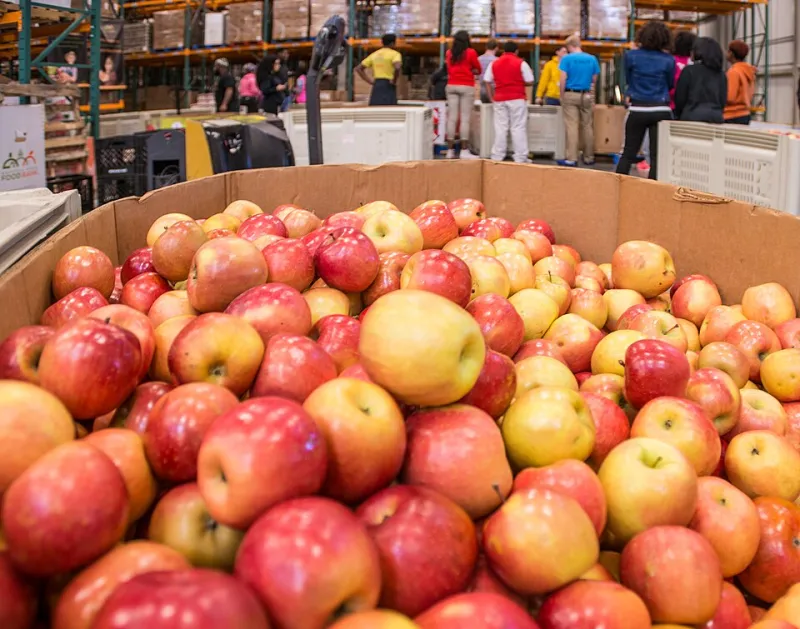
Supermarkets sell a narrow band of apples chosen for travel, uniformity and the ability to survive a lorry. Gala, Braeburn, Jazz, the occasional Cox, and a few imports wearing British-sounding names. They are fine. They are also the reason some people think an apple is meant to taste like a lightly perfumed cricket bat.
Heritage varieties are odd shapes, russeted, biennial and local. That is the point. A good russet can taste of pear drop and hazelnut; a cider apple can be so tannic it makes your gums ring like a small church bell. You do not need an orchard to try them. You need a market stall, a farm shop and a willingness to ask daft questions.
Nine apples to chase before the last leaf falls
1. Ashmead's Kernel. The pear-drop russet. Sharp, sweet and aromatic, with a flavour that seems to arrive in two stages. Eat it out of hand, juice it, or bake it in a tart where you want the fruit to answer back. Harvest October; eats November to January. It stores like a trooper.
2. Egremont Russet. Nutty, dry and faintly smoky, the cheese board's best friend. Do not peel it; the russet skin is half the point. September to November, though cool storage carries it further. Sometimes found in supermarkets, but better from a farm gate.
3. Ribston Pippin. Rich, pineapple-ish and old-fashioned in the best sense. A dessert apple for people who think dessert apples have gone soft. October to December. Look for it at heritage apple days and orchard shops in Oxfordshire and the west.
4. D'Arcy Spice. Spicy, russeted and a bit of a diva. November to February. Best from specialist orchard shops and East Anglian growers. Good with cheese, better in mincemeat, excellent when you want to annoy a purist.
5. Blenheim Orange. Big, nutty and dual-purpose. Crumble, sauce, or eat with cheddar and a chutney that has seen things. October to December. Orchard shops and farmers' markets are your friends here.
6. Annie Elizabeth. A cooking apple that keeps its shape, which is more than most of us manage. November to March. Ask at farm shops in the Midlands; it has Leicestershire written through it like lettering in a stick of rock.
7. Charles Ross. Victorian dessert-cooking apple, sweet and pear-like. October to November. Good at farm gates and heritage orchards, and forgiving enough for a beginner's tart.
8. Kingston Black. A cider apple, bittersharp, all sharp tannin and attitude. Not a snacker. Late October; cider. Buy from cider makers and orchard shops, or make friends with someone who has a press.
9. Dabinett. Bittersweet cider apple with soft tannin and a whiff of apple pie spice. November. Somerset and Herefordshire cider makers know it well. So should you.
Early varieties such as Discovery are a next-August job. In November 2026, concentrate on the keepers, the russets and the cider apples.
The 2026 stockist shortlist
Brogdale Farm in Faversham is the obvious pilgrimage: home to the National Fruit Collection, with fruit sales, an orchard shop and events that make apple nerds go quiet. Chegworth Valley in Kent grows and sells apples and juice at its orchard shop and at London markets; phone ahead before making a special trip. Waterperry Gardens in Oxfordshire has heritage orchard form and apple events worth watching.
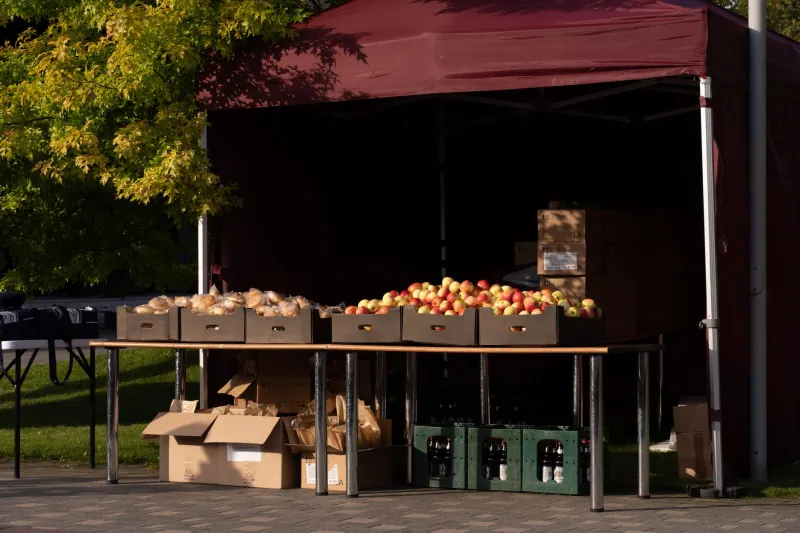
Farmers' markets still do the heavy lifting. Stroud, Ludlow, Borough Market and dozens of smaller Saturday markets have stalls where the grower is standing right there, able to tell you what the apple tastes like and whether it will collapse in a crumble. Use local produce directories, ring the farm shop and ask the magic question: do you have any unusual apples in this week?
For cider apples, go to cider country. Orchards and cider shops in Herefordshire, Somerset and Kent are the best places to find Kingston Black, Dabinett and their chums. For trees rather than fruit, Keepers Nursery, Frank P. Matthews and Walcot Organic Nursery are long-standing sources of heritage varieties.
One caveat for 2026: harvest dates have been variable, and a website's 'in stock' notice may have been written in August by an optimist. Phone first. Take a crate. Do not trust a polypropylene bag on a warm car seat.
How to run a proper apple bucket list
Buy one unknown apple a week. Keep a note of the name, where it came from and whether you would buy it again. Store apples cool and dark, away from vegetables, and eat the bruised ones first. Make a simple tasting sheet: aroma, acidity, sweetness, tannin, texture. Score out of ten. Argue about it.
Then do the decent thing and share the crate with a neighbour. Bramley can come too, as long as it brings friends.