The Windfall Republic: How to Join Britain's Apple Gleaning Crews This Winter
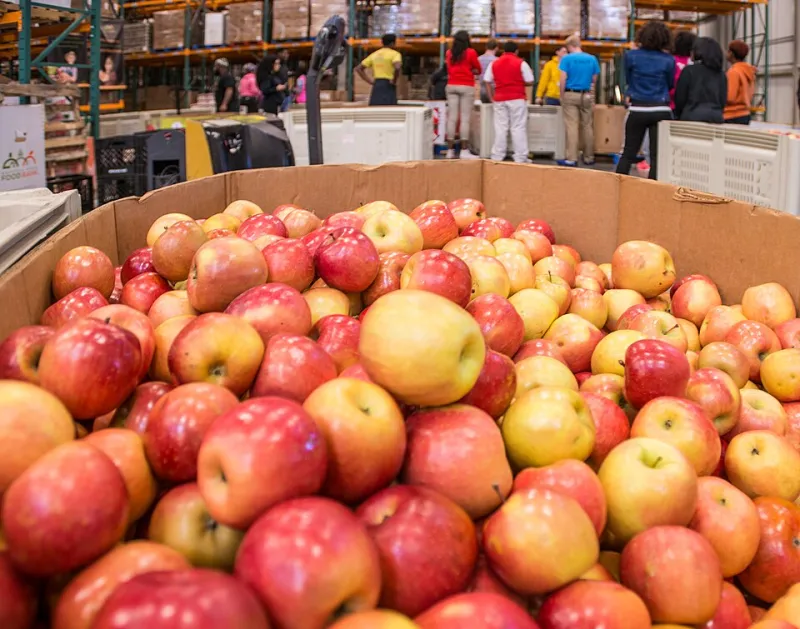
Photo: USDAgov, Public domain, via Wikimedia Commons
There is a particular sound in a late-autumn orchard: a soft thud, a brief silence, then the aggrieved buzz of a wasp that has been expecting better things. By November 2026, many British apple trees have already dropped more fruit than any household could eat, press or palm off on visitors. Some of it will become cider. A great deal of it will become grass.
Gleaning is the polite, insured, landowner-approved cousin of scrumping. It is also one of the most satisfying ways to spend a cold Saturday: you turn up, you pick, you fill crates, and somewhere downstream a food bank, a community kitchen or a volunteer's preserving pan gets the benefit. The Scrumpi spirit is all for it, provided we leave the romantic trespassing to the poets and the insurance forms to the grown-ups.
The scandal of the unclaimed apple
Britain does not have an apple shortage so much as an apple distribution problem. Commercial orchards may leave fruit because the labour bill outweighs the crop value, because a variety has gone out of fashion, or because the harvest arrived in a glut and the cold store is full. Garden trees drop fruit because their owners are elderly, busy, away, or simply not sure what to do with forty kilos of Cox's Orange Pippin before the wasps declare independence.
Then there is the cosmetic question. Supermarkets like apples that look like they have been drawn with a compass. A slightly russeted, oddly shaped or weather-marked apple may taste superb and still fail to make the grade. Meanwhile, food charities report demand that remains stubbornly high. The result is a quiet absurdity: good fruit on the ground, empty crates elsewhere.
What gleaning actually is, and is not
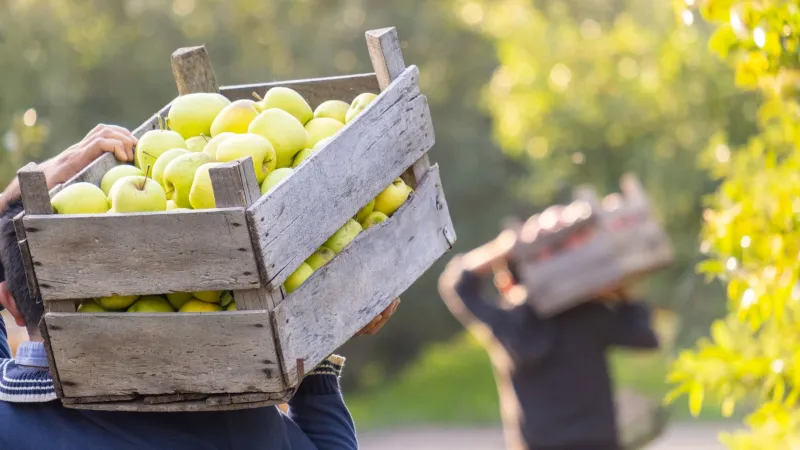
Gleaning is an organised harvest with permission. A landowner agrees to let a group pick surplus fruit; the group provides volunteers, crates, picking poles and a plan; the crop is shared between volunteers, community groups, food banks and sometimes cider makers. It is not a free-for-all. It is not a ladder borrowed from a shed and a hopeful attitude. It is not scrumping with a clipboard.
That said, the spirit is close. Scrumping carries the old idea that an apple is a shared resource, even when the law takes a dimmer view. Gleaning makes that idea legal, safer and considerably more useful.
Groups to look up in late 2026
Feedback's Gleaning Network is the best-known national starting point, coordinating volunteers to rescue surplus produce and get it to charities. Check its current events rather than assuming a pick is happening down the road; the calendar moves with the weather and the crop.
The Orchard Project works with community orchards across the UK, offering training, harvest events and the kind of practical orchard knowledge that stops a well-meaning group from pruning a tree into oblivion. If you want to learn how to look after fruit trees as well as pick them, start here.
Abundance Manchester has the right name and the right approach: volunteer picking, shared fruit and a firm belief that a city's apple trees should not be purely ornamental. Similar abundance and gleaning groups have operated in Kent, Sussex, Bristol, Sheffield and other cities in recent years. Search for gleaning plus your town, abundance plus your city, or community orchard plus your postcode. Local Transition groups, food banks and allotment associations often know who is already organising picks.
Orchard-share schemes are the quieter cousin. A landowner with a few old trees agrees that a group can pick in exchange for a share of the crop and a bit of caretaking. Sometimes the deal is apples for juice; sometimes it is apples for a promise to clear the windfalls before they attract every insect in the county. Either way, it starts with a conversation and written permission.
How to join a pick
First, find a group and sign up properly. Expect a briefing, a risk assessment and a conversation about where the fruit is going. Wear sturdy boots, bring gloves and layers, and take a flask. Bring crates if asked, but do not bring your own ladder unless you have been trained and the organiser has approved it. Most groups use picking poles for the high fruit and leave ladders to people who know what they are doing.
Listen to the landowner. Do not wander into a different field because the apples look better there. Do not strip a tree bare if the group has agreed to leave fruit for wildlife or for the tree's own health. Do not put bruised, mouldy or soiled fruit into the food-bank crate; sort as you go. The whole point is to turn surplus into something useful, not to create a second problem in a cardboard box.
How to start a gleaning group without causing an incident
Start small. One tree, one willing landowner, one afternoon. Get permission in writing, even if it is a friendly email. If you can, partner with an existing gleaning group or community orchard for advice and insurance. Write a simple risk assessment. Decide where the fruit will go before you pick it, because a mountain of apples with no destination is just a very slow compost heap.
Food safety matters. Keep fruit cool, sort out the damaged ones, wash what needs washing and label anything you pass on. If you are pressing apples for juice or cider, follow proper hygiene advice and do not mix windfalls with fruit you intend to store. And please do not describe your public liability arrangements as 'vibes' on the form.
The windfall ethic
Gleaning is not charity in the patronising sense. It is a repair. It says that fruit is a shared resource, that an old tree is worth more than its ornamental shadow, and that a Saturday spent filling crates is better than a Saturday spent watching them rot. It also makes very good cider, which is not nothing.
This winter, put your name down for a pick. Take a crate. Leave the ladder alone. And if you pass an orchard with apples going begging, do not scrump them in the dark. Find the owner, find a group and make a proper occasion of it.