Pears Before Swine: Why Perry Belongs Next to the Sunday Roast

Photo: Brian Robert Marshall , CC BY-SA 2.0, via Wikimedia Commons
Poor perry. It has spent decades as the wallflower at the British drinks disco: apple cider gets the barn dance, the headlines and the fancy bottles, while perry waits by the coat rack with a nice pear and a quiet sense of grievance. Which is a shame, because Britain’s perry tradition is one of the most distinctive things in our orchards — and it belongs on the winter table just as much as a bottle of cider or a decent claret.
Here at Scrumpi we are not asking you to ditch apples. That would be absurd, and possibly treasonous in Herefordshire. We are asking you to make room for the other orchard: the tall, gnarled perry pear trees of Herefordshire, Gloucestershire and the wider Three Counties, and the producers quietly turning their fruit into something thrilling.
First, perry is not pear cider
Let’s clear this up before the first glass. In the UK, 'pear cider' has become a broad, supermarket-friendly term for a fermented pear drink that is often sweet, fruity and designed to taste like pear drops. Some of it is perfectly pleasant in a sunny-beer-garden way. But it is not necessarily perry.
Traditional perry is made from perry pears — specific varieties grown for the purpose, with tannin, acidity and aroma doing the heavy lifting. The best bottles can be dry, smoky, floral, earthy or gently bitter, with a texture that sits somewhere between white wine and a very elegant fruit skin. They may be still, lightly sparkling or pet-nat; some are keeved, which can leave a natural sweetness without dumping in sugar. If a drink tastes like a boiled sweet dissolved in a paddling pool, it may be many things, but it is not the perry we are banging on about.
The distinction matters because perry is not a novelty. It is a farmhouse drink with a long history, and the word has real weight in the orchards where it is made. Treat it like cider’s quieter, more interesting cousin — the one who reads books and can identify a pear tree at fifty paces.
The old orchards that refused to budge
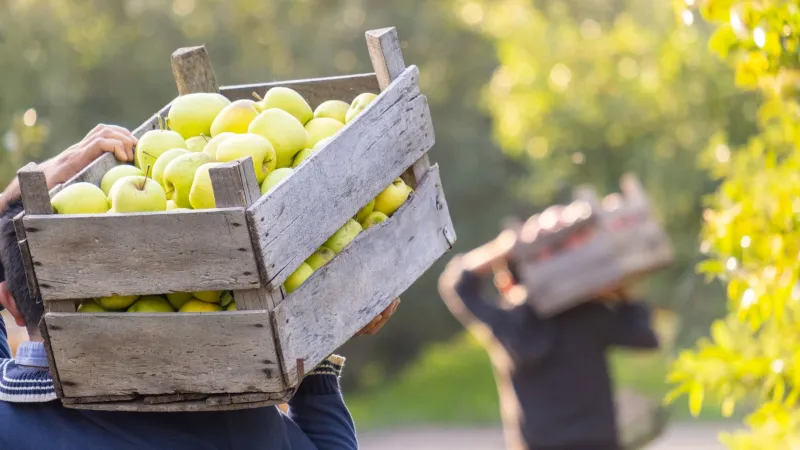
Perry’s heartland is the Three Counties, especially Herefordshire and Gloucestershire. Walk into an old perry pear orchard and you will not find the neat, dwarf-tree rows of a modern top-fruit farm. You will find tall standard trees, often grazed beneath by sheep or cattle, with trunks like badgers and branches that have seen a century of weather. These orchards are wildlife havens as much as they are larders, and some of the pear varieties have names that sound like characters from a lost folk song: Blakeney Red, Moorcroft, Thorn, Butt, Green Horse. There is even one called Dead Boy, which is either a warning or a branding opportunity.
For a long time, many of these orchards were neglected, grubbed up or kept alive by a handful of growers. Now a new generation of producers is giving them a reason to stay. Names to look for include Oliver’s Fine Cider, Little Pomona, Once Upon a Tree, Gregg’s Pit and the Ross-on-Wye Cider & Perry Co. They are fermenting forgotten varieties, ageing in barrel, bottling still and sparkling perry, and treating perry pears with the same seriousness that the best cider makers give to bittersweet apples. The result is a growing range of British drinks that taste of place, not pear-flavoured syrup.
Bottles worth seeking out this winter
You do not need a cellar. You need a decent independent bottle shop, a farmers’ market or a well-curated online cider merchant. Look for bottles labelled with the pear variety, not just 'pear cider', and expect to pay somewhere between a good supermarket white and a middling restaurant white. A few reliable ports of call:
- Oliver’s Fine Cider — Herefordshire perry with the sort of soft, floral tannin that makes roast pork sit up straight. Look for single-variety releases such as Blakeney Red.
- Little Pomona — thoughtful, textured perries from Herefordshire; often smoky, citrusy and moreish. Their bottles are a good gateway for wine drinkers.
- Once Upon a Tree — based at Dragon Orchard, making perry from traditional varieties with real care. Their Panking Pole is a fine place to start.
- Gregg’s Pit — a small Herefordshire producer with a cult following; perry here can be wild, savoury and alive.
- Ross-on-Wye Cider & Perry Co — a reliable name for traditional perry, including Moorcroft, with proper tannin and a clean, dry finish.
If you see a bottle from a small producer and the label mentions a perry pear variety you have never heard of, buy it. That is how the good stuff gets discovered.
What to drink it with (not just cheese)
Perry and cheese is a lovely cliché, but it is not the whole story. Perry’s combination of tannin, gentle fruit and acidity makes it a natural for winter food that is rich, salty or a bit brown. Serve it lightly chilled — around 10–12°C, not fridge-cold — in a wine glass or a tumbler, and let it breathe for a minute.
Try it with:
- Roast pork with crackling — the classic. The tannin cuts the fat, the fruit lifts the gravy, and the crackling gets the respect it deserves.
- Shepherd’s pie or cottage pie — a perry with a bit of body is lovely with mince, mash and a dash of Worcestershire sauce.
- Smoked mackerel or trout pâté on toast — oily fish and perry are a quiet revelation; add pickled cucumber or a squeeze of lemon.
- Leek and potato soup with toasted hazelnuts — a winter lunch that tastes even better with a dry, nutty perry.
- Salt-baked celeriac with hazelnut and parsley — earthy, savoury and very happy with a smoky perry.
- Pear and almond tart — yes, pears with perry. It is not cannibalism; it is synergy.
If you must have cheese, choose something salty and firm rather than a wobbly triple-cream, and put out a few pickled walnuts. But do not let the cheeseboard hog the limelight. Perry has waited long enough.
A seat at the winter table
The beauty of perry is that it does not shout. It is a drink for long Sundays, muddy boots, low light and second helpings. It can be aperitif, dinner companion and quiet nightcap, and it brings a sense of orchard history to a table without demanding a lecture. This winter, buy a bottle from a small British producer, read the label, and pour it for someone who thinks they do not like perry. Then watch their face when they realise they have been drinking pear cider all along.
Give perry a proper place at the table. It has earned it — and frankly, the pear trees have been waiting for us to notice.