Put Down the Rioja: Six Cider-and-Cheese Matches for a Dark November Night
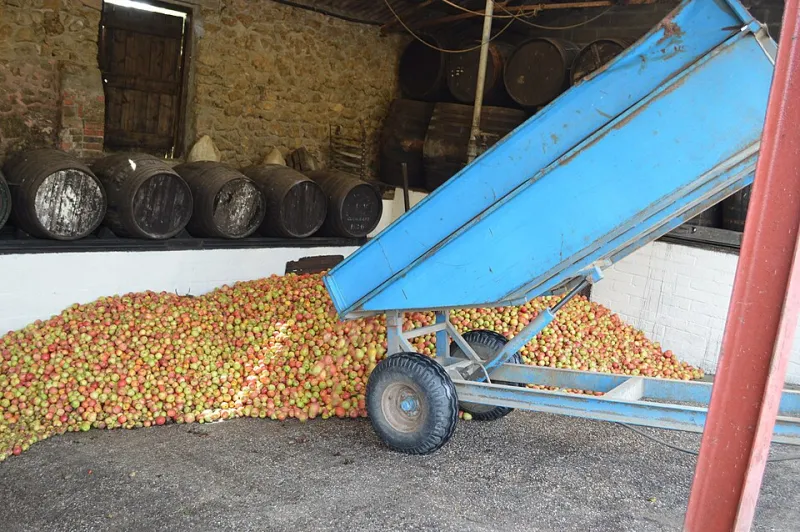
Photo: John M , CC BY-SA 2.0, via Wikimedia Commons
November is not a month that encourages restraint. The light is the colour of old dishwater, the garden has given up, and the only sensible response is to put a board of cheese on the table and open something British and fermented. Wine usually gets the gig. It has the corkscrew, the jargon and the sommelier swagger. But cider has been quietly winning this argument for centuries in orchards from Herefordshire to Somerset, and it is time we let it speak.
This is not a solemn concordat. It is a practical, slightly opinionated set of matches for a dark November night in 2026, when the cheese board deserves better than a half-remembered bottle of red and a packet of oatcakes.
Why cider beats wine at the cheese board (most nights)
Cider brings three things wine often forgets: orchard fruit, a clean streak of acidity and, in the right bottle, a tannic grip that behaves a lot like a light red. It also tends to sit more gently alongside salty, lactic, crumbly, oozing British cheeses. Wine can bully a cheese board. A big red arrives with opinions and drowns the poor Caerphilly in blackcurrant. A dry cider arrives with a wheelbarrow, a muddy boot and a useful question: what actually tastes good together?
The apple is the secret. Cider's fruit flavour bridges the gap between sweet dairy and savoury rind. Its acidity cuts through fat. Its bubbles lift the palate between mouthfuls. And because many British ciders sit at a civilised strength, you can actually taste six small pours without needing a lie-down in the coat cupboard.
The rules of engagement
Do not serve cider at fridge-door temperature. A dry cider at 4C is a waste of everyone's orchard. Aim for 8-12C: cool, not cruel. Take the cheese out of the fridge half an hour before serving, because cold cheddar tastes of nothing but regret. Use small glasses. Put out plain crackers, a few slices of apple and perhaps a handful of walnuts, but do not build a charcuterie theme park. The point is cider and cheese, not a deli clearance.
Six pairings worth a dark November night
1. The Old Faithful: dry tannic Herefordshire cider with aged cheddar
Start with the classic for a reason. A dry, tannic cider from Herefordshire, the sort with a grippy finish and a whiff of orchard floor, is the natural partner for a mature cheddar such as Montgomery's or Westcombe. The cider's acidity scrubs the fat; the tannin meets the cheese's savoury crunch. You get apple peel, nuts and a long, dry finish. It is the pair your grandparents would have approved of, assuming they were not too busy making the cider themselves.
2. The Blue Plate Special: medium-dry Somerset cider with Stilton
Blue cheese and cider is one of Britain's great unsung partnerships. A medium-dry Somerset cider, with a touch of sweetness and a gentle sparkle, calms Stilton's salty funk rather than fighting it. Colston Bassett is a superb choice: creamy, pungent and not too aggressive. The cider's apple sweetness picks up the cheese's savoury edges and leaves the palate ready for another go. Wine often makes blue cheese taste metallic. Cider makes it taste like a very good decision.
3. The Soft Landing: sparkling dry cider with Baron Bigod
A soft, bloomy Suffolk cheese such as Baron Bigod needs a partner with cut and lift. A sparkling dry cider does the job beautifully. The bubbles refresh the palate between spoonfuls of oozing paste, while the cider's acidity stops the whole affair becoming a butter-slicked cuddle. Look for a dry, bottle-conditioned cider with green-apple sharpness and a fine mousse. Serve the cheese at room temperature, or it will sulk.
4. The Crumbly Crowd-Pleaser: medium farmhouse cider with Lancashire
Lancashire cheese is crumbly, lactic and slightly sharp, with a lovely moist texture. A medium farmhouse cider, cloudy and gently funky, is its ideal companion. The cider's soft sweetness and earthy apple notes flatter the cheese's acidity, while the cheese's crumb gives the cider something to work against. This is the pairing for people who claim not to like cider. Give them this and watch their eyebrows do a small, surprised dance.
5. The Nettle Nudge: dry apple-forward cider with Cornish Yarg
Cornish Yarg, wrapped in nettle leaves, is a mild, creamy cheese with a mushroomy edge. A dry, apple-forward cider with a clean finish keeps things fresh. The cider's fruit lifts the cheese's green, grassy notes, and its acidity stops the creamy texture becoming cloying. This is a good pairing for a board that wants to feel a bit more civilised than it actually is. Add a few plain biscuits and a napkin you do not mind ruining.
6. The Pong of Glory: medium-sweet keeved cider with Stinking Bishop
Stinking Bishop is a washed-rind cheese with a perfume that arrives several minutes before the cheese itself. It is magnificent. A medium-sweet keeved cider, gently sparkling and full of baked apple, is the partner it deserves. The sweetness softens the rind's pungency; the bubbles cleanse; the apple fruit makes the whole thing feel intentional rather than reckless. Do not serve this to guests who are easily startled. Do serve it to guests who own a proper cheese knife.
Assembling the board: a November 2026 buying guide
You do not need six ciders and six cheeses for one evening. Three of each is plenty for four people, and two of each is acceptable if the conversation is good. Choose one dry, one medium and one sweeter cider, then pick cheeses that range from hard and nutty to soft and oozing to blue and bolshie.
For cider, look for British bottles with the word 'orchard' or 'farmhouse' on them and a best-before date that suggests the producer expects you to taste the fruit, not just the sugar. Dry Herefordshire examples from Oliver's or Newton Court are a reliable start. Somerset keeved and farmhouse ciders from Burrow Hill or Worley's bring the soft, appley middle ground. For sparkling, seek out bottle-conditioned ciders from small producers; Pilton is a good name to know. Avoid anything that tastes like alcoholic apple squash. Life is too short.
For cheese, buy from an independent cheesemonger if you can, or from a farmers' market with a proper queue. Montgomery's or Westcombe cheddar, Colston Bassett Stilton, Baron Bigod, Mrs Kirkham's Lancashire, Cornish Yarg and Stinking Bishop are all findable in the UK, and most good delis will swap sensibly if one is out of stock. Supermarkets have improved, but the cheese counter is still a better bet than the chilled aisle.
Finally, keep the board simple. Bread, crackers, a few apples, perhaps chutney if you must. Then pour small glasses, label the ciders with scraps of paper and let the argument begin. November is dark enough. The cheese board should be the brightest thing in the room.