Turkey Crown, Meet the Cider Jug: Why Christmas Dinner Deserves a Dry Herefordshire Bottle

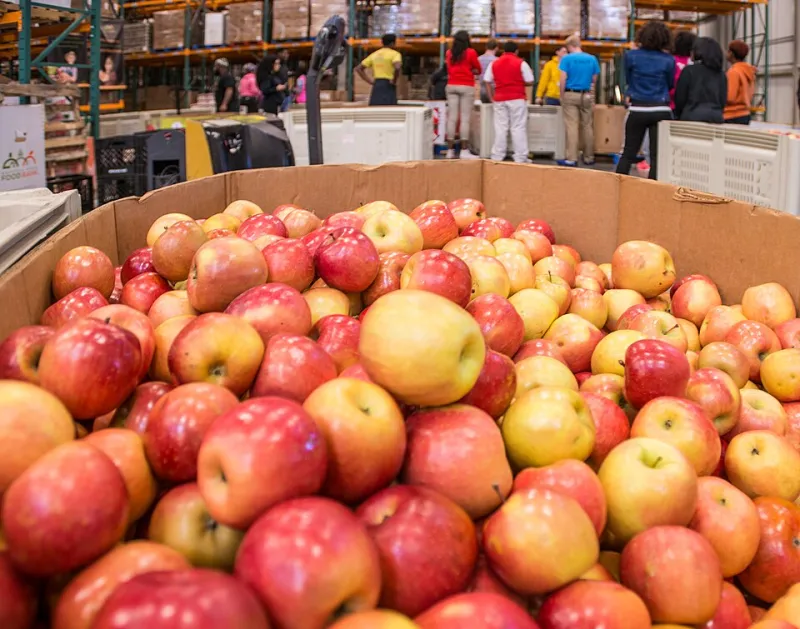
Photo: Derek Harper , CC BY-SA 2.0, via Wikimedia Commons
There is a moment at every British Christmas table, somewhere between the last present and the first sprout, when somebody says: "Shall we open something white?" And every year that something white is a Burgundy costing more than the bird and tasting of very little except ambition.
I would like to propose an alternative, and I would like to propose it loudly enough to be heard over the crackers: a dry, still cider from Herefordshire.
The argument, in one paragraph
Turkey is a lean, faintly sweet, faintly apologetic meat. It does not need more butter; it needs acid. Cider has acid to spare — malic acid, the same stuff that makes a Cox's Orange Pippin pleasantly assault your jaw — plus tannin from bittersweet fruit, which does the fat-clearing work people normally hire a red wine for. And unlike a Chablis, a good cider tastes of somewhere. Apples, obviously, but also wet stone, hay and pear skin. It makes the table feel like a place rather than a menu. It is also British, roughly half the price, and requires nobody to pronounce anything.
What the makers actually open on the day
I rang three cider makers in the middle of their busiest fortnight and asked one question: what's on your table on the 25th?
Maddie Llewellyn presses at a small farm near Ledbury, in Herefordshire, and does not hesitate. "Dry Yarlington Mill, still, straight from the cask. Poured too cold and left on the table until it isn't." Her view is that most people treat cider as a novelty — something in a pint glass with a straw and a bad reputation — rather than as a dinner drink. "Serve it in a wine glass and watch the conversation change."
Tom Berrow, who makes keeved cider on the Somerset levels, goes two bottles deep. "Keeved cider with the turkey, because the sweetness is gentle and the bubbles are barely there. Then a perry with the cheese. Perry is the secret weapon at Christmas, because by four o'clock everyone has already drunk the cider."
And in Kent, Fiona Kerr, who turned a redundant top-fruit orchard into a small pressing operation, is blunt about the opening act. "Sparkling dry cider with the smoked salmon. Properly cold, in a wine glass. Nobody asks where the Prosecco went. Nobody ever asks."
The Scrumpi pairing map
A short, opinionated guide to the Christmas Day run of play.
- Smoked salmon, blinis, something with dill: dry sparkling cider, well chilled. The bubbles scrub the smoke, the acid scrubs the cream cheese.
- Prawn cocktail, if we're being honest about tradition: medium-dry still cider. The fruit does what the Marie Rose sauce cannot.
- The turkey itself: dry still cider, ideally a single-variety bittersweet like Dabinett or Yarlington Mill. Enough tannin for the dark meat, enough acid for the breast.
- Pigs in blankets and stuffing: the same bottle. Do not overthink this. Do not open a second bottle for the sausage.
- Stilton: a keeved cider or a sweet perry. Blue cheese and dry tannin is a fight nobody wins.
- Mince pies: a medium cider or a mulled cider, warmed gently and not boiled into syrup. If you must add spice, add less than you think.
Serving notes nobody ever tells you
Buy bigger bottles than feels sensible — a 75cl between four adults is about right across a long meal. Chill dry cider to around 8–10°C and sparkling colder than that; cider's reputation for being served lukewarm in a pub garden is not a template for December. Pour in one steady motion and leave the last centimetre in the bottle: good cider throws a sediment and shaking it turns a clear drink into a cloudy apology.
Use a tulip glass, or a wine glass, or anything with a stem. The glass is not decoration; it is the entire argument. A pint pot says "afternoon". A stemmed glass says "sit down, there's a second helping coming".
And keep a jug of water on the table. Cider is not wine-strength in the way people assume, but it is closer to it than they expect, and Christmas lunch is a marathon with cheese at the end.
The objection worth taking seriously
Not the headache one — that is usually cheap white cider or simple enthusiasm. The real objection is sweetness. A sweet cider next to roast turkey is a fruit-juice crime, and there is a lot of it about under labels promising "traditional" and "farmhouse".
Read the bottle. Look for the words dry, medium-dry, keeved, or a named variety. A single-variety bottle is your friend here, because the variety tells you the style before you've spent a penny: Dabinett and Yarlington Mill lean dry and tannic, Michelin and Kingston Black are sharper and more structured, and anything described as "sweet" should be saved for the cheese or the fire.
Go on, then
Christmas dinner is the one meal of the year where Britain reliably cooks something it doesn't trust, and then buys a wine it doesn't understand. A dry Herefordshire cider solves both problems for the price of a mid-range supermarket Chablis. It has the acid, it has the tannin, it has the manners — and it has the enormous advantage of growing up in the same weather as the gravy.
Open one before the salmon. Keep a second by the turkey. Save the perry for the Stilton, and take the credit yourself.